

President of Turkmenistan Participated in the First Central Asia–Japan Summit
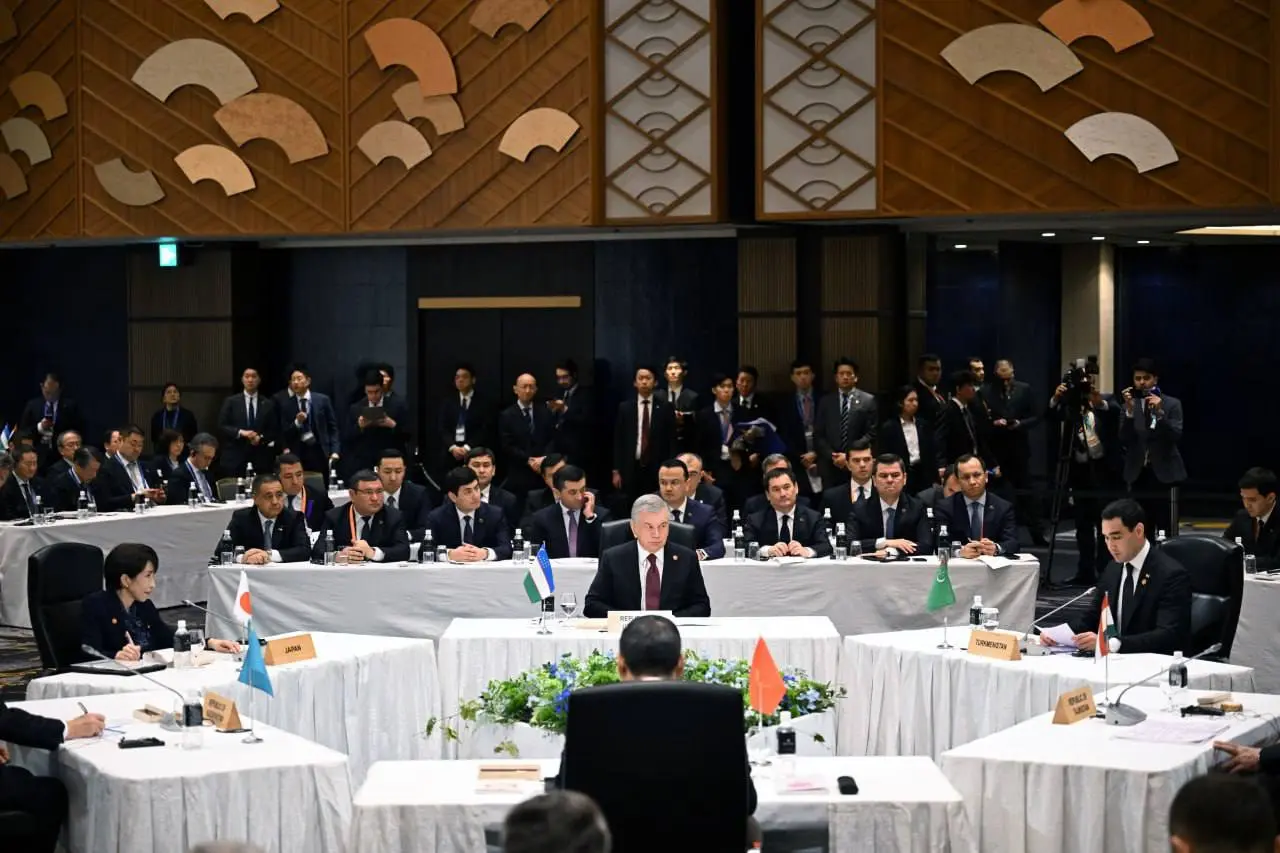
President of Turkmenistan Serdar Berdimuhamedov paid a working visit to Tokyo to take part in the first Central Asia–Japan Dialogue Summit, held on 19–20 December under the chairmanship of Prime Minister of Japan Sanae Takaichi. The Summit brought together the leaders of the five Central Asian states and marked the launch of a new multilateral platform aimed at deepening political dialogue, expanding economic partnership and strengthening cooperation with Japan.
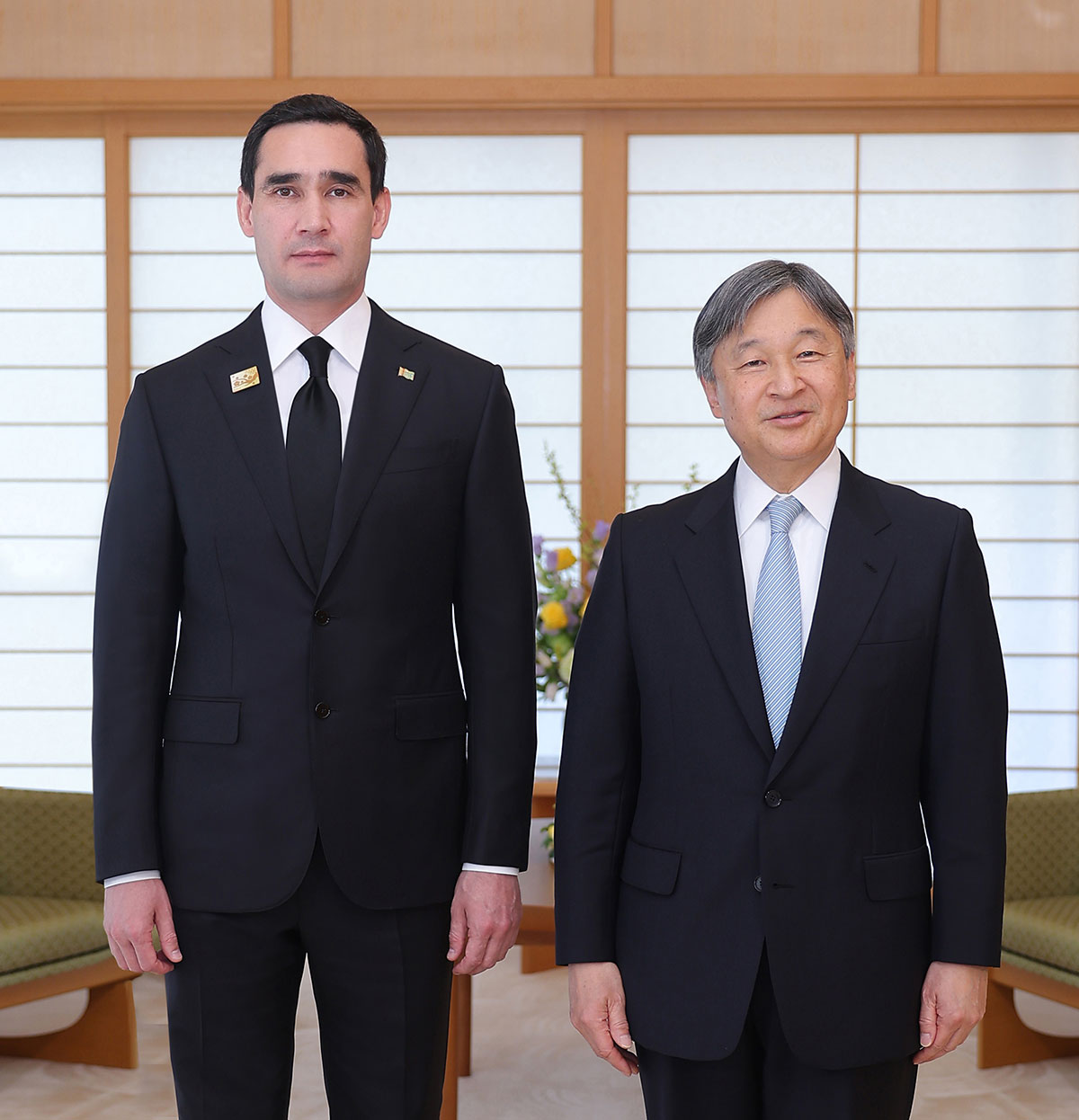
During the visit, the Head of State held meetings with His Majesty Emperor Naruhito of Japan, Prime Minister Sanae Takaichi, his second meeting with her this year, the leadership of the Japanese Parliament, as well as executives of leading Japanese corporations. Particular emphasis was placed on the inter-parliamentary dimension of cooperation: President Serdar Berdimuhamedov met with Endo Toshiaki, Chairman of the Japan–Turkmenistan Inter-Parliamentary Friendship Group, underscoring the special role of legislators in establishing a solid legal framework for the strategic partnership between the two countries.
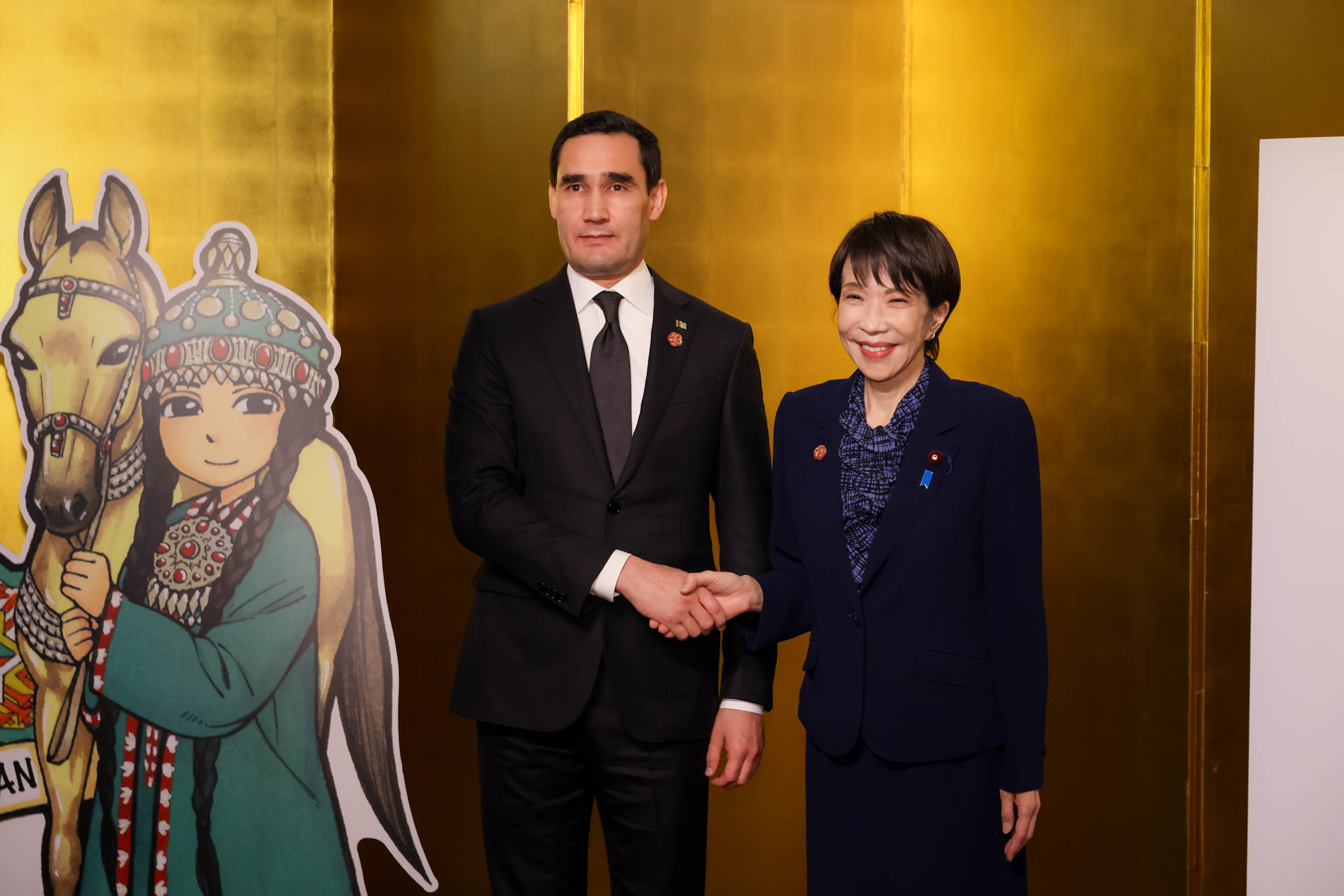
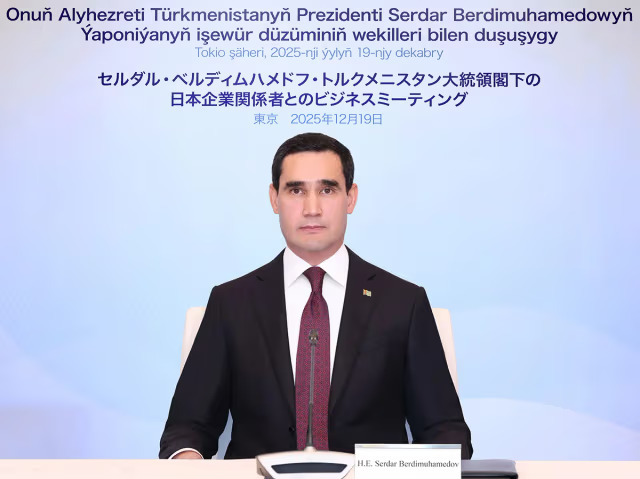
In the course of the talks, the President of Turkmenistan outlined priority areas of cooperation, including the green transition, hydrogen energy, transport connectivity, investment and human capital development, reaffirming Turkmenistan’s readiness to offer favourable conditions to Japanese business for the implementation of long-term projects. The visit concluded with the adoption of the Tokyo Declaration of the Central Asia + Japan Dialogue and the signing of eleven bilateral documents covering energy, industry, digital technologies, education and finance.

Among the practical initiatives presented were projects in the field of the circular economy, including the construction of facilities for the recycling of household and construction waste, plastics (PET bottles) and end-of-life household appliances. In the area of green energy and environmental protection, particular attention was given to the development of hydrogen technologies and the introduction of advanced wastewater treatment systems for reuse. Cooperation in digitalisation and artificial intelligence was identified as a new track of bilateral engagement.
The culmination of the visit was the signing ceremony of a package of major memoranda and agreements. In the industrial and chemical sectors, agreements were reached on the turnkey construction of a urea plant with a capacity of 1.155 million tonnes per year in the Turkmenbashi district (with Mitsubishi Heavy Industries, Mitsubishi Corporation and Gap Inşaat), the extension of technical support for the gas-to-gasoline (GTG) plant in Ahal with Kawasaki Heavy Industries, and the reliable operation of the second phase of the polymer plant in Kiyanly with a consortium led by Toyo Engineering and Rönesans.
In the field of digitalisation and technology, memoranda were signed on the introduction of artificial intelligence and digital solutions with Mitsubishi Corporation Machinery, as well as on cooperation in broadcasting and cinematography with Sony Middle East and Africa FZE. In energy, transport and finance, agreements were concluded between Türkmengaz and Sumitomo Corporation Europe, the Ministry of Automobile Transport of Turkmenistan and Sumitomo Corporation, and between the State Bank for Foreign Economic Affairs of Turkmenistan and Mizuho Bank. In science and education, the Oguz Khan Engineering and Technology University of Turkmenistan signed three memoranda with Tohoku University and Hirosaki University on academic exchange and scientific cooperation.
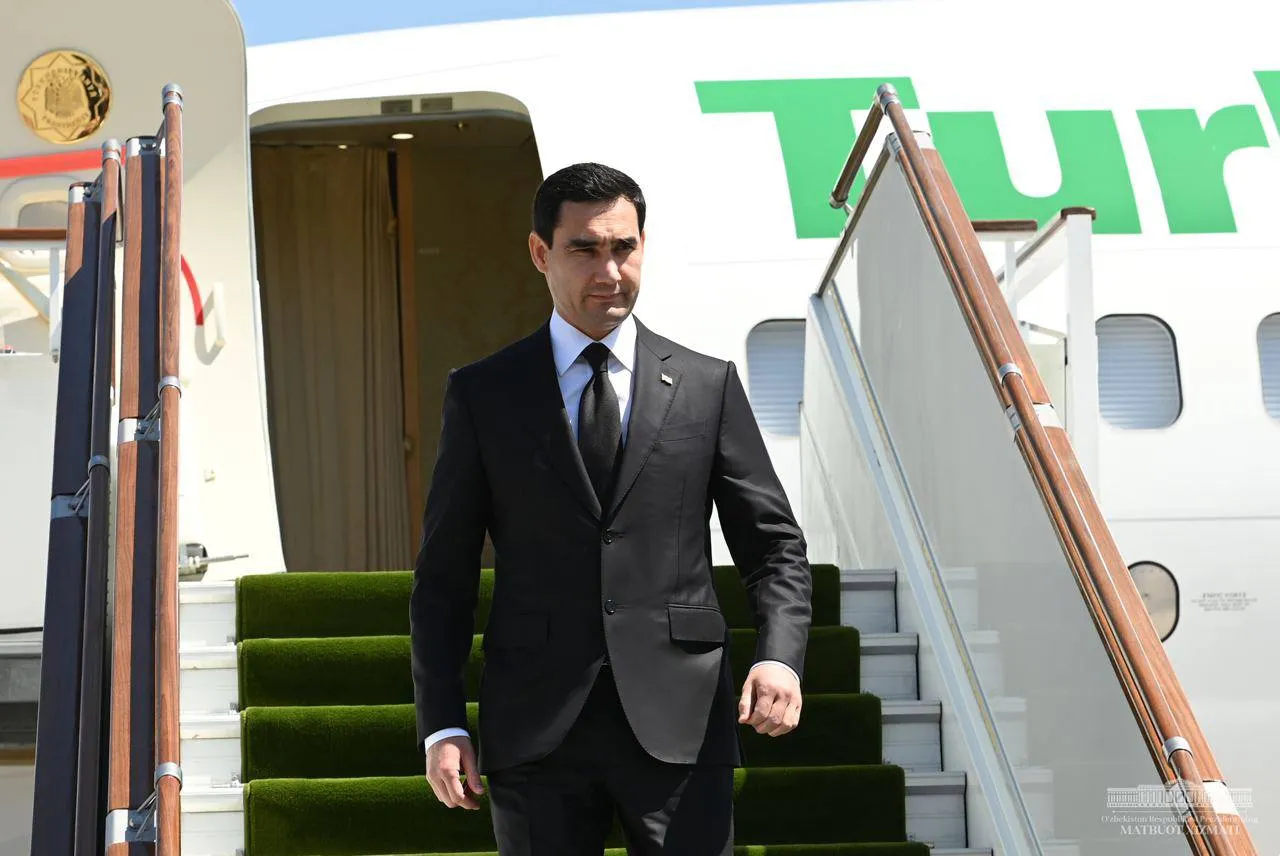
Having completed the programme of the Summit and bilateral negotiations, the President of Turkmenistan returned to Ashgabat, reaffirming the strategic nature of Turkmen-Japanese relations and their orientation towards sustainable development, technological partnership and the strengthening of international trust.
Source: www.turkmenportal.com


